
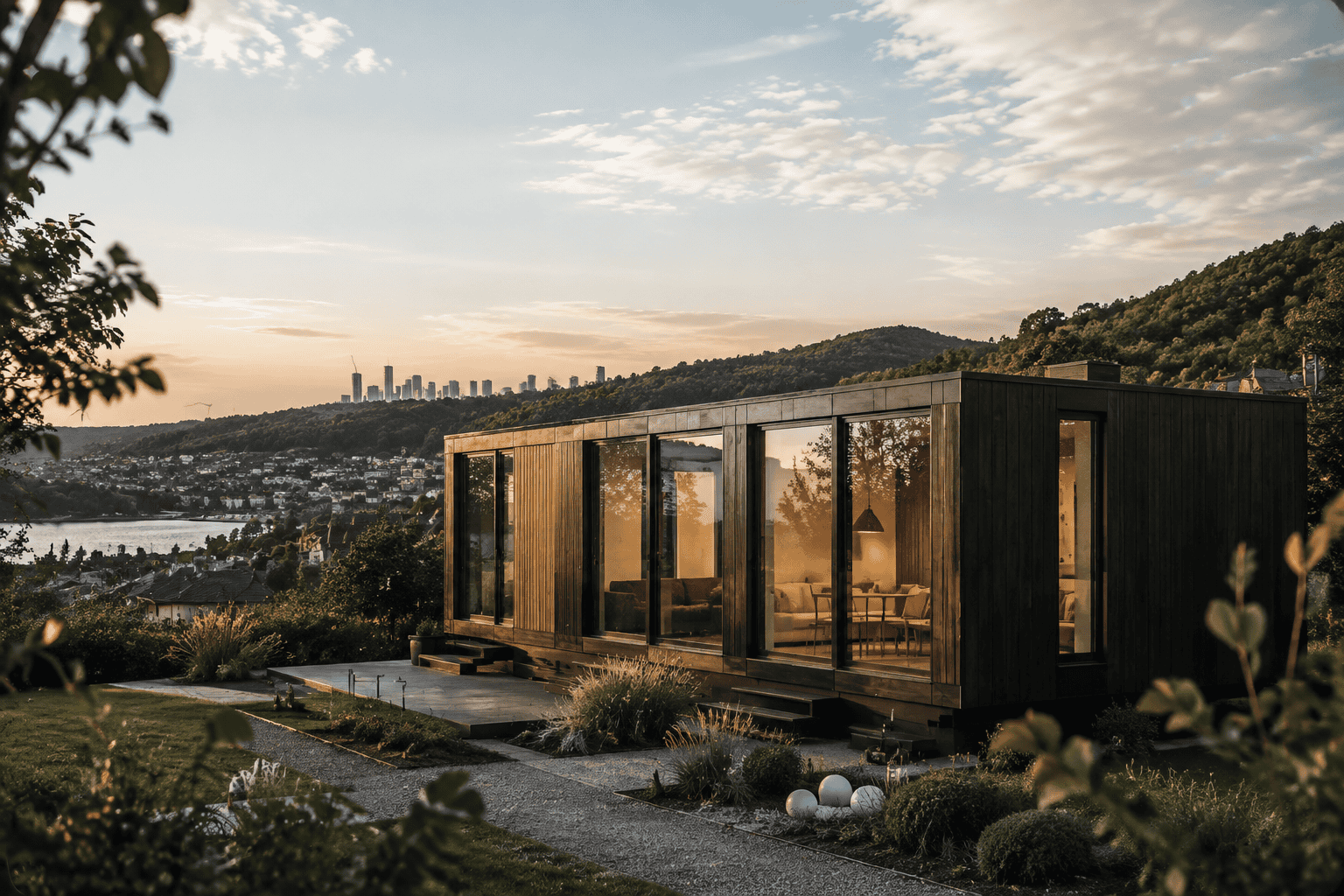
Across Europe, the way people think about housing is changing. Rising construction costs, pressure on housing supply and growing expectations around energy efficiency are encouraging both the industry and homeowners to look beyond conventional building methods. As a result, modular and off-site construction is moving from a specialised alternative toward a more established part of the European housing conversation.
The shift is not simply about building faster. It reflects a broader demand for homes that can be produced with greater control, predictable quality and a more efficient use of materials.
A Housing Market Under Pressure
Europe needs more housing, but delivering it through conventional construction is becoming increasingly challenging. Labour shortages, higher material and land costs, lengthy construction processes and regulatory complexity continue to put pressure on new housing supply.
The European Commission has identified these challenges as part of Europe’s wider housing affordability problem. Its current housing strategy specifically highlights advanced construction methods, including off-site and modular construction, as tools that can improve productivity and resource efficiency.
For modular housing, this creates a new context. What was once primarily associated with temporary or highly standardised buildings is increasingly being considered as a serious approach to permanent, high-quality residential architecture.
From Construction Site to Controlled Production
One of the fundamental differences is where the building process takes place. Modular homes move a significant part of construction from an exposed building site into a controlled production environment.
Walls, insulation, windows, building systems and interior components can be integrated through a coordinated manufacturing process before the module reaches its destination.
This approach can reduce dependence on weather conditions and limit the number of variables encountered on site. European Commission research into off-site construction notes its potential to improve productivity, minimise errors and substantially shorten construction schedules compared with conventional methods.
For homeowners and developers, greater control also means something increasingly valuable: predictability.
Sustainability Beyond Energy Consumption
European housing expectations are changing environmentally as well. The conversation is expanding beyond how much energy a completed home consumes to include how it was manufactured, which materials were used and how much waste was generated along the way.
Factory-based production allows materials to be planned and processed with greater precision. Off-site construction can reduce waste during production, while modular systems can also create opportunities for components to be adapted, reused or reconfigured later in their life cycle.
This makes modular construction particularly relevant as Europe moves toward more resource-efficient and circular approaches to the built environment.
A Different Expectation of Modular Living
Perhaps the most important change, however, is architectural.
Choosing modular no longer has to mean choosing a temporary-looking or generic home. Contemporary modular architecture can combine large glazing, carefully considered layouts, natural materials and refined detailing with the advantages of factory production.
At Nexa Modular Solutions, this is where we see the future of modular housing: not as a compromise between architecture and efficiency, but as a way of bringing the two together.
As demand for faster, more sustainable and more predictable ways of building continues to develop across Europe, modular housing is becoming more than an alternative construction method. It represents a different way of thinking about how a home can be designed, produced and ultimately lived in.